Behind the Curtain: The Role of Metal Forming in Worldwide Manufacturing
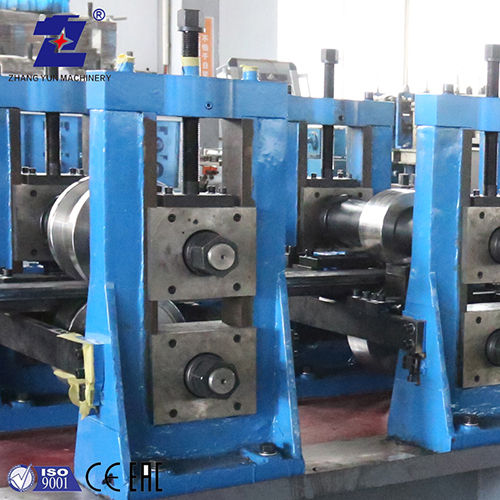
In the world of manufacturing, machinery for metal forming plays a key part in crafting the products that we count on daily. Starting with the chassis of our automobiles to the intricate components of electronics, the methods involved in the forming of metal are critical to current production. This machinery encompasses a variety of techniques, including shaping, imprinting, shaping, and extrusion, each playing a role in many dimensions of the industry landscape.
As fields continue to develop and needs increases for exactness and efficiency, the importance of advanced machinery for metal forming cannot be ignored. These systems are at the core of processes in varied industries such as car, aircraft, construction, and retail goods. They boost productivity but also allow manufacturers to design new solutions and enhance the grade of their goods, making sure that they meet the rapidly changing needs of worldwide markets. Understanding the principles and innovations behind metal forming provides valuable understanding into the backbone of modern production systems.
Types of Metal Forming Processes
Metal forming processes are essential techniques used in production to mold metals into required configurations. The key types include forging, bending, and the process of extrusion. Forging, involves the manipulation of metal with compressive forces, often at an elevated thermal state. This process increases the strength of the metal by refining its grain composition. On the other hand, bending, is a process where metal is deformed to create angles and curves without cracking. This technique is frequently used for creating parts that require particular configurations for functionality or aesthetic appeal.
Additionally, extrusion is another crucial metal forming process that consists of forcing a metal alloy through a die to create long shapes with uniform cross-section shapes. This technique is commonly used for producing items such as pipes, bars, and custom profiles. Warming the metal before extrusion can enhance its formability and reduce resistance. Additionally, techniques like die casting and sheet metal forming expand the possibilities for creating diverse products, each method modified to produce distinct characteristics and attributes.
In conclusion, the variety of metal forming processes offered allows manufacturers to achieve a wide range of shapes and mechanical properties. Each method offers unique benefits, making it important to select the right process based on the particular needs of the product being produced. Understanding Metal Forming Machinery is critical to enhancing production efficiency and meeting the demands of the world market.
Uses of Metal Shaping Equipment
Metal forming machinery plays a crucial role across multiple industries by forming metal into required forms. One of the primary applications is in the automotive sector, where components such as frames, exteriors, and motor parts are produced using processes like die stamping and metal forging. These processes not only enhance the strength of the components but also improve their fit and surface quality, essential for vehicle functionality and safety.
In the construction industry, metal working equipment is essential for producing structural components such as beams, pillars, and bracings. Processes like sheet rolling and forming allow producers to create intricate shapes that meet particular architectural requirements. This ensures that buildings and infrastructure can meet necessary structural support while maintaining design attractiveness.
The electronics industry also is greatly aided significantly from metal shaping equipment. Components such as cooling devices, housings, and plugs are produced through exact forming methods like punching and deep-forming. These processes are vital for creating lightweight yet robust parts that are essential for current electronic devices, ensuring efficiency and reliability in operation across all applications.
Emerging Trends in Metal Forming Techniques
As sectors advance, the demand for precision and effectiveness in metal shaping machinery continues to rise. One of the most notable movements is the integration of automated systems and robotics. Sophisticated robotics are progressively being deployed to perform monotonous activities, ensuring greater consistency and decreasing labor costs. This innovation also enables for instantaneous monitoring and modifications during the processing process, resulting in enhanced product standard and reduced scrap.
Another developing trend is the utilization of virtual twin technology, which allows producers to create a virtual representation of their metal shaping processes. By replicating various scenarios, companies can enhance their operations before physical operations starts. This strategy not only enhances efficiency but also minimizes inactive time and raw material costs. As an increasing number of manufacturers acknowledge the benefit of this method, we can anticipate widespread implementation in the industry.
Sustainability is also a critical driver of advancement in metal forming technology. As green issues increase, there is a push for equipment that employ less energy and include eco-friendly materials. Producers are developing sustainable solutions that not only meet regulatory standards but also cater to more and more green clients. This shift towards eco-friendly approaches is likely to shape the upcoming of metal forming, influencing both design and practical methods.